Do Paint Sprayers Affect How Much Paint You Need?
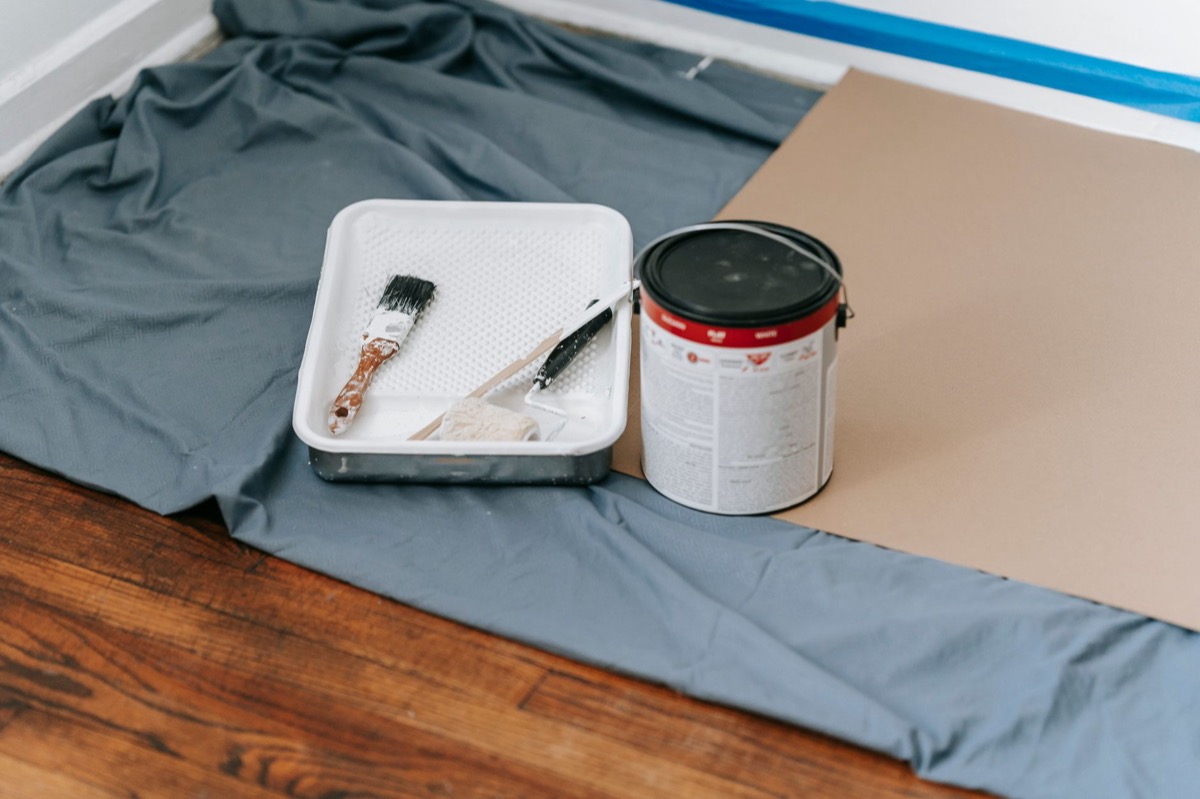
Popular Mechanics recently highlighted a roundup of top-rated paint sprayers, underscoring the efficiency benefits many DIYers and pros seek. But beyond speed, a common question arises: do paint sprayers affect how much paint you need compared to traditional methods like rollers and brushes? The answer is a nuanced yes, primarily due to factors like overspray, transfer efficiency, and application technique.
Understanding these differences is key to accurate paint estimation and successful project outcomes. This article breaks down how paint sprayers influence paint consumption, coverage rates, and overall project time.
Paint Sprayer vs. Roller: Understanding Paint Consumption
When comparing a paint sprayer vs roller, one of the most significant differences is how much paint each method consumes. While sprayers offer speed and a smooth finish, they generally require more paint for the same area compared to rollers or brushes.
- Overspray: The primary reason for increased paint usage with sprayers is overspray – paint particles that miss the target surface and become airborne. This waste can significantly increase the total amount of paint needed. Factors like sprayer type (airless, HVLP), tip size, pressure settings, and wind conditions (for exterior projects) all influence the degree of overspray.
- Transfer Efficiency: This refers to the percentage of paint that actually adheres to the surface being painted. Rollers and brushes typically have higher transfer efficiency because the paint is directly applied and rolled/brushed onto the surface. Paint sprayers, especially conventional models, can have lower transfer efficiency, meaning a larger portion of the paint volume doesn't make it onto the wall.
- Coverage Rates: While a gallon of paint covers a certain square footage in theory, the practical coverage rate can be affected by the application method. Sprayers can lay down a consistent, thin coat quickly, but repeated passes to achieve full opacity might be necessary, and overspray adds to consumption. Rollers apply paint more thickly per pass, often achieving good coverage in fewer coats.
Impact on Coverage Rates and Project Time
Beyond sheer consumption, the choice between a paint sprayer and a roller heavily impacts the project timeline and the quality of coverage.
- Speed: Sprayers undeniably offer superior speed for covering large, unobstructed areas. They can apply paint much faster than a roller, reducing labor time significantly for expansive walls or ceilings. For projects like painting an entire room, this speed can be a major advantage.
- Finish Quality: Sprayers are renowned for achieving a smooth, factory-like finish free of brush strokes or roller marks. This can be particularly desirable for doors, trim, and cabinetry.
- Preparation Time: The speed benefit of sprayers comes with a trade-off: extensive masking and preparation. To protect surrounding surfaces from overspray, walls, floors, windows, and fixtures must be meticulously taped and covered. This prep work can add considerable time to the overall project. Rollers and brushes require less masking, making them faster for smaller, more detailed jobs or rooms with many architectural features.
- Multiple Coats: Both methods may require multiple coats, depending on the paint color, surface type, and desired finish. While sprayers apply thinner coats, they achieve evenness quickly. Rollers often apply thicker coats, which might mean fewer total coats are needed, but each coat takes longer to apply.
Tips for Accurate Paint Estimation with Sprayers
Accurately estimating paint for a sprayer project is crucial to avoid running out mid-job or buying excessive amounts. Here's how to approach it:
- Calculate Your Base Needs: First, determine your base paint requirement as if you were rolling. Use our free paint calculator at PaintMath.com or a specific calculator like the Interior Paint Calculator. Measure your room dimensions carefully – our guide on How to Measure a Room for Paint can help.
- Factor in Overspray: This is the most critical adjustment for sprayers. Depending on the sprayer type, your experience, and the environment, you might need to add an additional 10% to 50% to your base paint estimate. For a novice user with a conventional sprayer, a 30-50% increase isn't uncommon. More experienced users or those with HVLP (High Volume Low Pressure) sprayers might get by with 10-20% extra.
- Consider Surface Porosity: Highly porous surfaces (like new drywall or unprimed wood) will absorb more paint, regardless of the application method. Always account for this, especially on the first coat.
- Practice Your Technique: Consistent spray passes, maintaining the correct distance from the surface, and proper overlap can significantly reduce waste and improve transfer efficiency.
- Use a Quality Primer: Priming can reduce the number of finish coats needed and improve adhesion, potentially saving paint in the long run.
- Account for Specific Areas: Don't forget areas like ceilings or trim and doors. While sprayers excel here, they still contribute to overall paint consumption.
Paint gallons by wall area at 350 sq ft per gallon
Key Takeaways
- Paint sprayers generally use more paint than rollers due to overspray and lower transfer efficiency.
- Sprayers offer faster application for large, open surfaces and a smoother finish, but require significant preparation (masking).
- Rollers are more paint-efficient and better for detailed work or projects with less masking.
- When estimating paint for a sprayer, add 10-50% extra to your base calculation to account for overspray.
- Proper technique, appropriate sprayer settings, and thorough masking can help reduce paint waste.
Try It Yourself — Free
Ready to estimate your next painting project? Our free paint calculator can help you determine how much paint you'll need, whether you're spraying or rolling. Visit our free paint calculator page for quick estimations, or check out our Interior Paint Calculator for more specific guidance.
Related Resources
- Ceiling Paint Calculator
- How Many Square Feet Does a Gallon of Paint Cover
- How Much Paint for a 10x10 Room
- How Much Paint for a 12x12 Room
More From Our Network
- Duct Size Calculator — same niche
- cyberfrad — our network
Sources
- Popular Mechanics — Original report
- Popular Mechanics — Popular Mechanics highlights the benefits of paint sprayers for even coverage and fast results.